Green Lantern Comics vs Lanterns: What HBO’s Series Keeps, Changes and Leaves Behind
Green Lantern has always been DC’s hardest hero to film, and HBO’s Lanterns finally explains why the answer was to make the show smaller, not bigger. In the comics, the Green Lantern Corps is a vast intergalactic police force, with thousands of Lanterns patrolling sectors of space, powered by rings fuelled by willpower and overseen by the Guardians of Oa. The mythology is cosmic, colourful and deliberately operatic, from Hal Jordan’s test-pilot swagger to John Stewart’s architect discipline. Lanterns, created by Chris Mundy, Damon Lindelof and Tom King, keeps the rings and the two men, but it throws away almost everything else, at least at first. Its eight episodes, which ran from August 16 to October 4, 2026, are a murder mystery in the American heartland, and that restraint is the whole adaptation strategy.
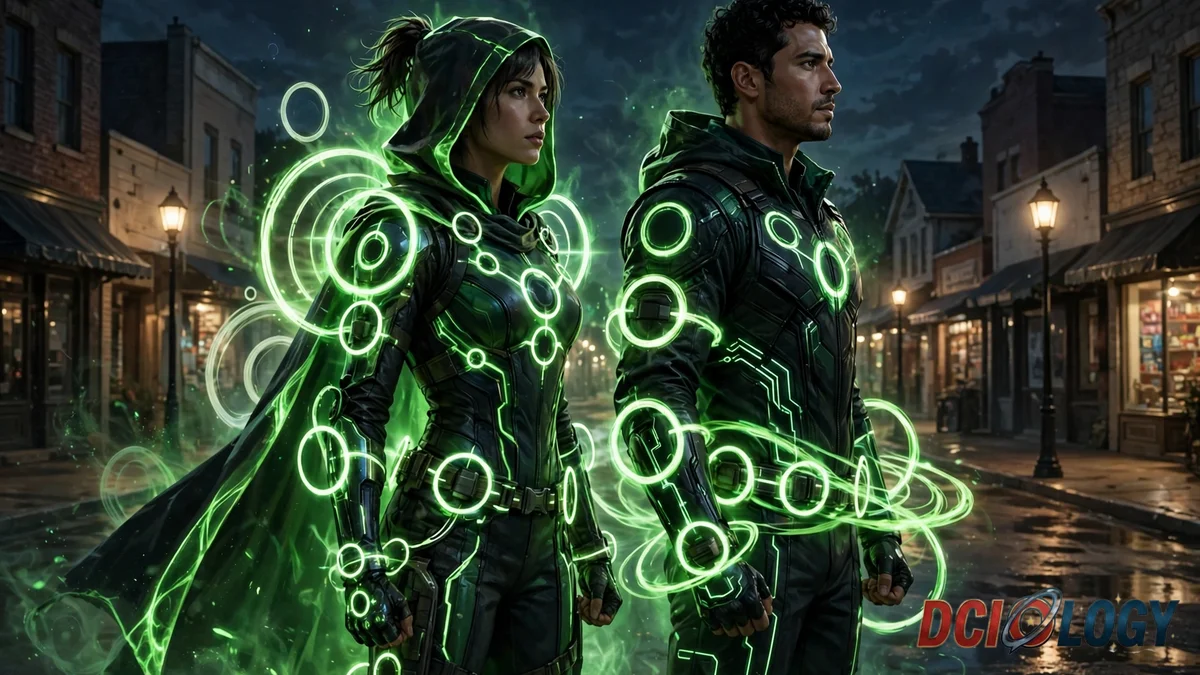
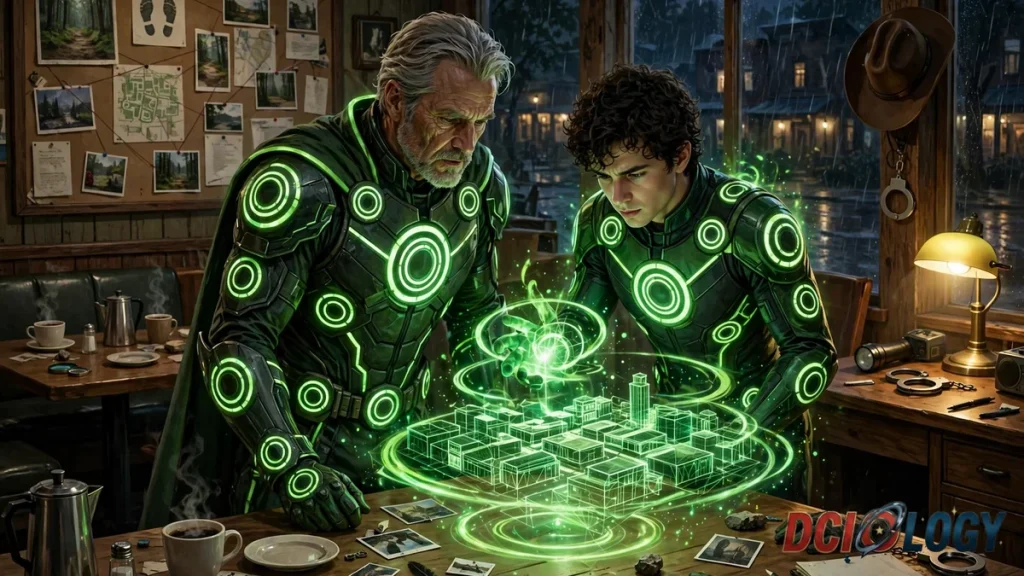
The pairing itself is faithful in spirit, even as the setting changes. In the comics, Hal Jordan and John Stewart are two very different Lanterns: Hal, the fearless, instinctive veteran, and John, the methodical former Marine and architect who builds with precision. The series casts Kyle Chandler as Hal and Aaron Pierre as John, and their dynamic is the show’s engine. Chandler’s Hal is a wounded gunslinger with charm and swagger hiding a world of hurt, while Pierre’s John is the disciplined newcomer learning on the job. The show gives them a shared case, a murder in a small town, and lets their methods clash the way they do on the page: Hal improvises, John plans, and both are right just often enough to make the argument interesting.
What changes most is scale. Comic Lantern stories routinely leave Earth within pages, visiting Oa, fighting Sinestro’s Yellow Lantern Corps, or policing entire sectors. Lanterns stays grounded and Earth-based, in a True Detective-inspired mode that showrunner Mundy has said would likely continue if the show returns. The finale, Dirt and Stars, unravels the murder mystery and resolves Sinestro’s involvement, but it does so as a personal reckoning rather than a space war. Sinestro, one of the great comic villains, is present as a shadow over the story rather than an army at its centre. That choice frustrates viewers who wanted the full Corps spectacle, but it gives the series something the comics sometimes lose: consequences that feel human, because the victims are neighbours rather than planets.
The ending is where the adaptation most clearly diverges from comic tradition, and where it most clearly sets up the wider DC Universe. In the finale, John ends the season as Earth’s only Green Lantern, with no Corps above him, after charging his ring in a moment Safran has declined to explain fully. Hal’s arc closes definitively, and Chandler’s return for a potential second season is uncertain, because his story reached its natural conclusion. In the comics, Hal and John coexist within a larger Corps, with Oa always available as a higher authority. In the series, John is left alone with the ring, the sky and the responsibility, a position that makes his confirmed move into James Gunn’s Man of Tomorrow, arriving July 9, 2027, feel like a continuation rather than a cameo. The show has stripped the Corps away so that one Lantern can carry its weight on film.
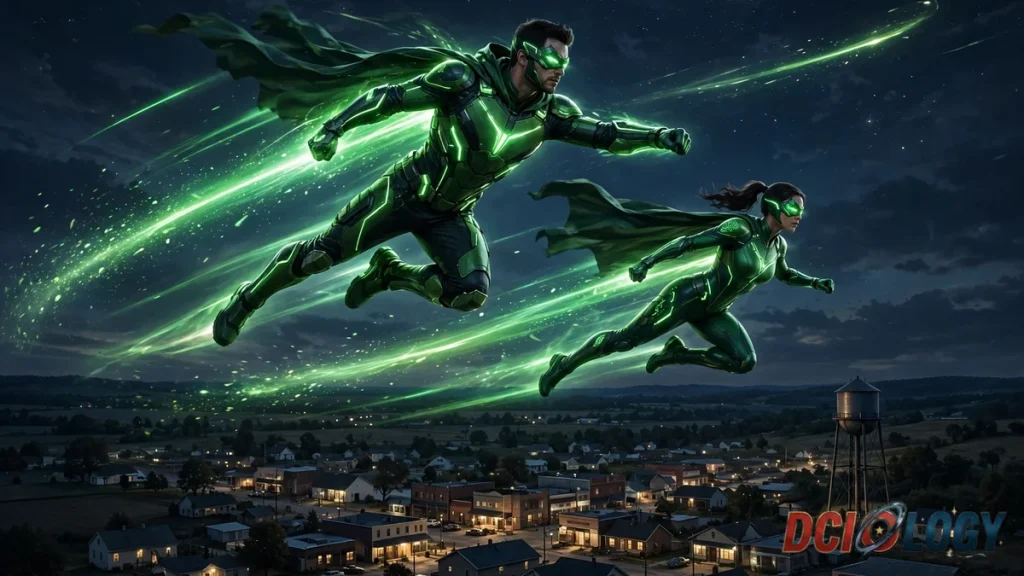
That is, in the end, the same lesson the best Lantern comics teach. The ring chooses people who can overcome fear, and the Corps is only as interesting as the person wearing the ring. Lanterns bet that a grounded, Earth-based mystery could make audiences care about Hal and John before asking them to care about Oa, and the bet paid off. Whether a second season returns, and whether it stays grounded or finally goes cosmic, will decide whether Lanterns is a complete reinvention or merely a first chapter. Either way, it has already done what decades of Lantern adaptations struggled to do: it made the Green Lanterns feel like people first, and cosmic police second.