
Paul Atreides Character Analysis: Hero, Tyrant, or Victim of Prophecy?
Paul Atreides is the rare blockbuster hero whose tragedy is that he succeeds. By the time Dune: Part Three arrives on December 18, 2026, Timothée Chalamet’s Paul is no longer the boy who fled into the desert. He is a ruthless emperor, presiding over a holy war fought in his name that has cost billions of lives. Denis Villeneuve has called the film a sophisticated epilogue rather than a simple trilogy conclusion, and that framing is the key to Paul’s character. His story was never about whether he would win. It was about what winning would do to him, and to everyone who believed in him.
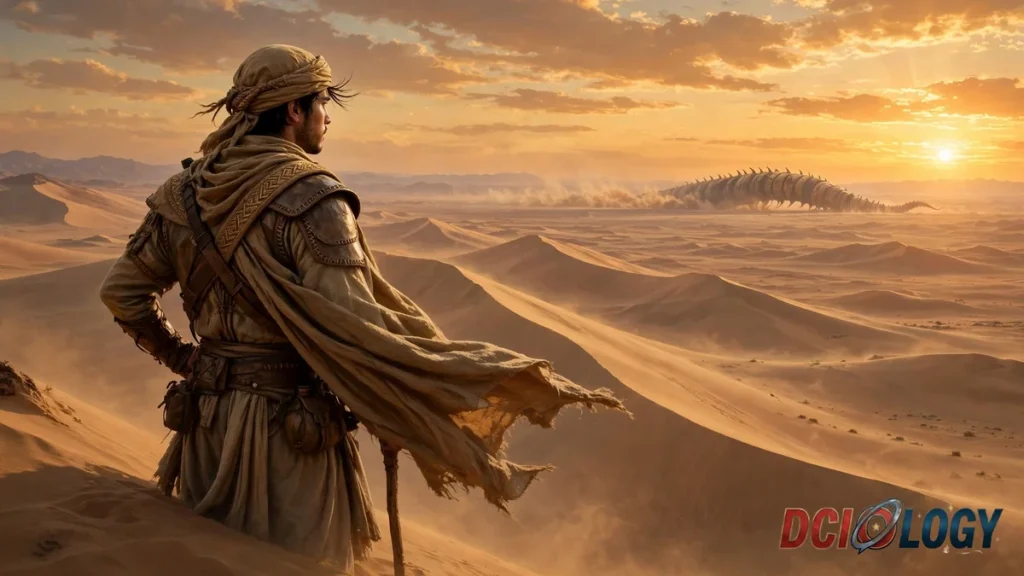
Paul’s defining gift is also his defining curse: prescience. He can see possible futures, and that sight, which looks like power, is actually a trap. In the first films, prescience lets Paul survive, navigate the desert and unite the Fremen. But every vision narrows his choices, because to avoid one terrible future he must walk toward another. Frank Herbert’s novels are built on this paradox, and Villeneuve’s films honour it. Paul does not choose tyranny because he loves power. He chooses the path that avoids an even worse catastrophe, and then discovers that the path itself is catastrophic. That is why his fall feels tragic rather than villainous. He is not corrupted by a single decision. He is worn down by the knowledge that every decision costs lives.
His relationships show that cost most clearly. Chani, played by Zendaya, is the person who sees Paul most honestly, and the final trailer’s apparent confrontation between Paul and Chani has divided fans precisely because it touches this nerve. In Herbert’s Dune Messiah, Chani’s tragedy is quieter than a battlefield showdown, rooted in loyalty and in a fate Paul’s visions cannot prevent. Whether Villeneuve’s film stages their conflict as a direct standoff or as something more painful and indirect, the point remains: Paul’s power cannot save the people closest to him, and his empire cannot protect them either. Princess Irulan, played by Florence Pugh, represents the political side of that trap, a marriage that is an alliance rather than a love, and a chronicler who must write history for an emperor she cannot fully reach.

That isolation is what separates Paul from other franchise heroes. Most blockbuster protagonists are defined by what they can do. Paul is defined by what he cannot undo. He cannot unsee the futures he has glimpsed, cannot unmake the jihad, and cannot return to the boy who wanted only to survive Arrakis. Chalamet’s performance across the films has tracked that erosion, from wide-eyed heir to hardened leader to something quieter and more frightening: a man who has stopped explaining himself, because explanation would require admitting how little choice he feels he has left. The supporting cast, including Rebecca Ferguson, Jason Momoa, Javier Bardem, Charlotte Rampling and Anya Taylor-Joy as Alia, gives that erosion a world to echo in, but the tragedy stays personal. It is always Paul, alone with his visions, in a palace full of people.
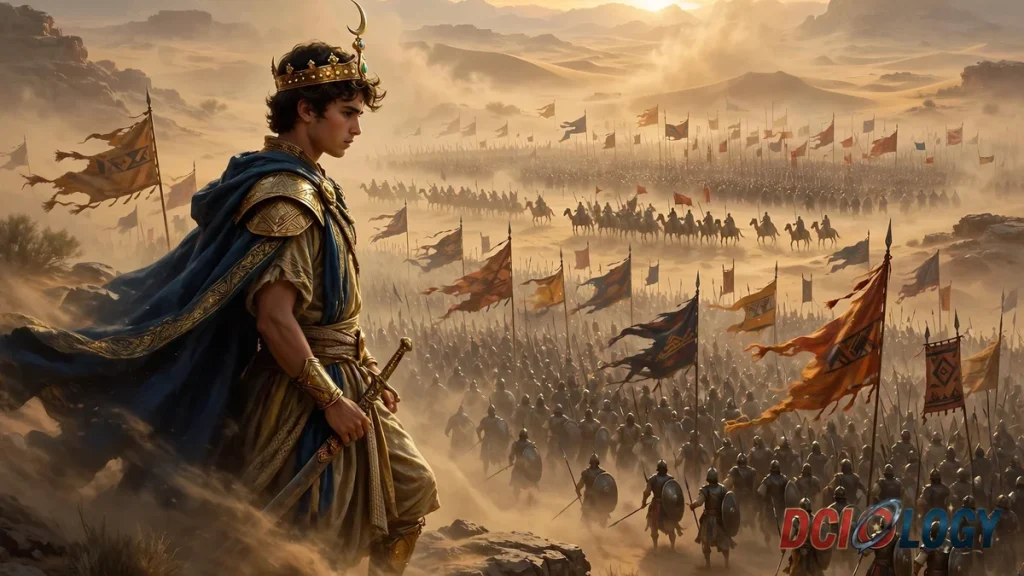
So is Paul a hero, a tyrant, or a victim of prophecy? The honest answer, and the reason Dune endures, is that he is all three at once, and the proportions change depending on where you stand. To the Fremen, he is a liberator who became an emperor. To the universe, he is a tyrant whose name justifies war. To himself, he is a victim of a future he could see but could not escape. Villeneuve’s final film does not resolve that contradiction. It sits inside it, asking audiences to hold all three Pauls in mind at once. That is a harder ending than a hero’s triumph or a villain’s defeat, and it is why Part Three matters beyond its box office. Paul Atreides began as a boy who dreamed of Arrakis. He ends as an emperor who cannot dream of anything else, and the distance between those two Pauls is the whole story of Dune.