The Dark Knight Returns: Comic vs Screen Influence
Dark Knight Returns comic screen influence Batman changed Batman forever.
Dark Knight Returns Comic Screen Influence Batman: The Comic That Changed Batman Forever
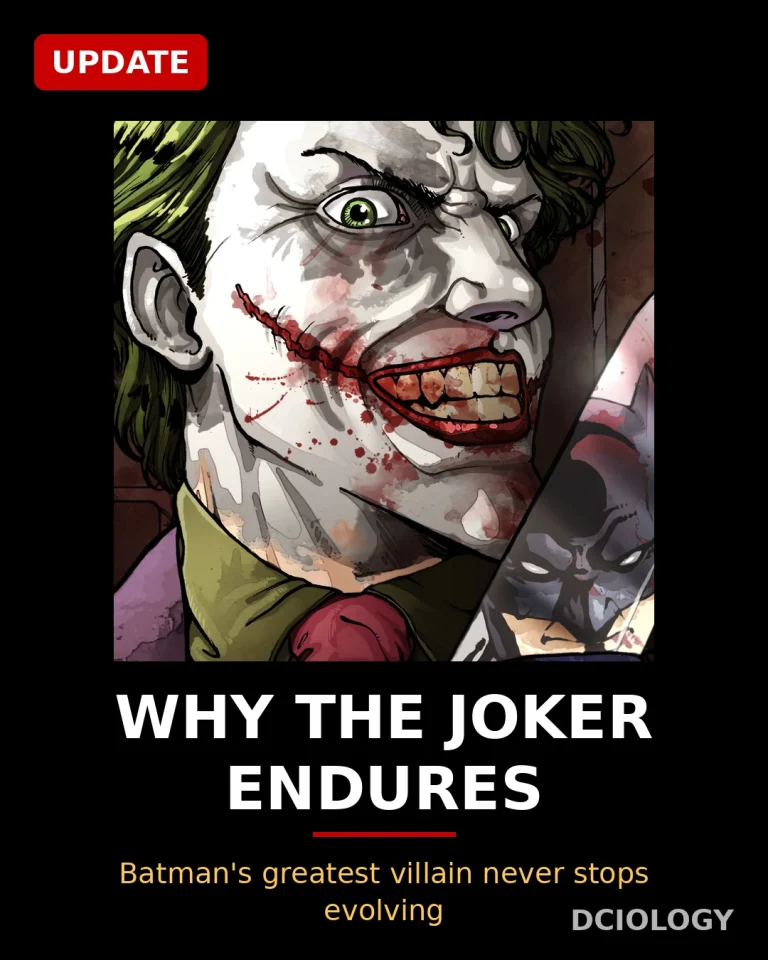
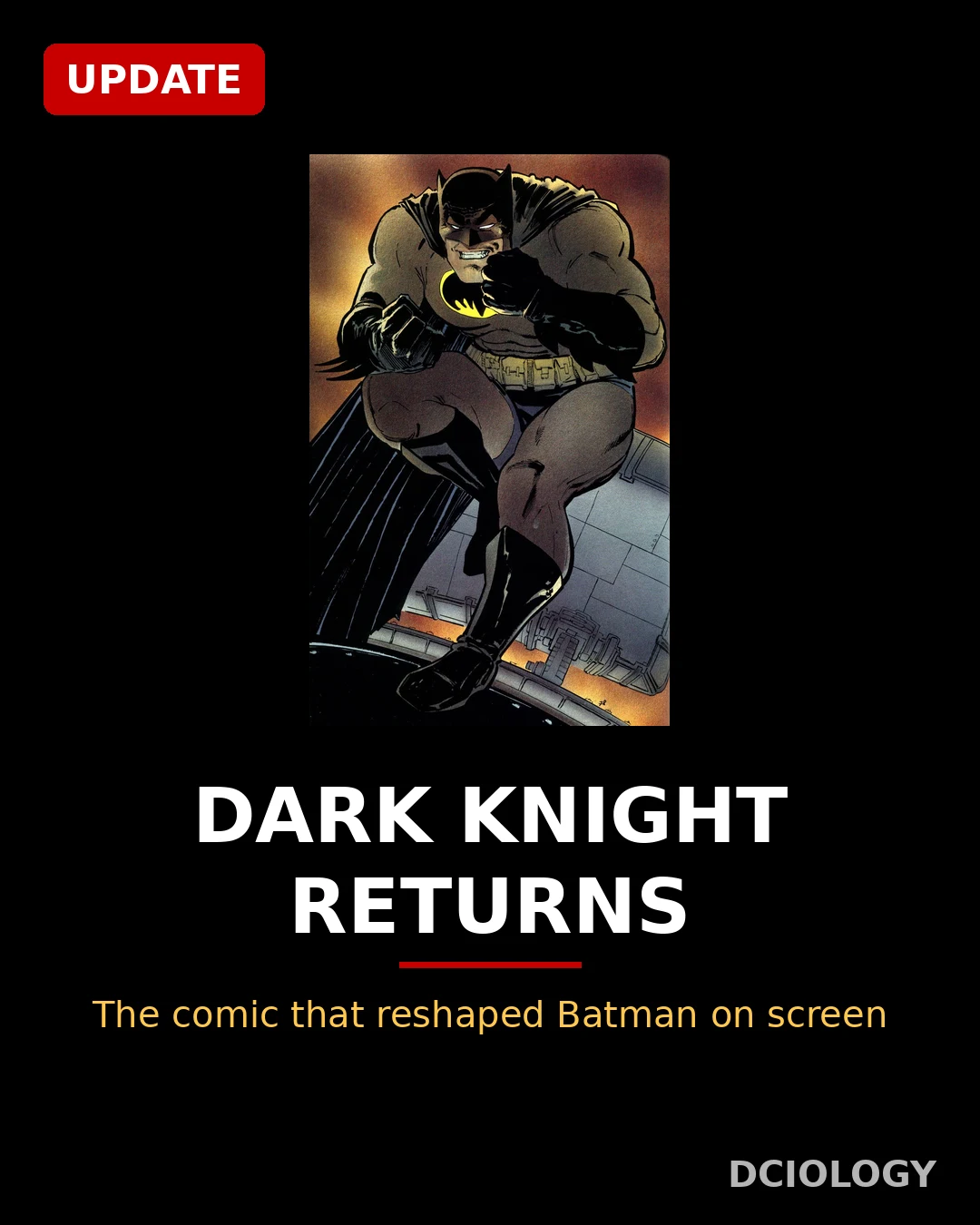
In 1986, Frank Miller did something radical: he brought Batman back as an old man. The Dark Knight Returns imagined a Gotham ten years after Batman had retired, with crime rising, a new gang terrorising the streets, and Bruce Wayne, now in his fifties, pulled back into the cape and cowl. It was darker, grittier and more political than anything Batman had done before, and it changed the character forever.
The comic’s impact went far beyond its four issues. It proved that superhero stories could be serious, adult and literary, helping to launch the era of mature comics alongside Watchmen. It gave Batman a new identity as the Dark Knight, a brooding, obsessive figure shaped by age, loss and rage. And it created images and ideas, from the armoured Batman fighting Superman to the aged Bruce Wayne training a new Robin, that filmmakers have been borrowing ever since.
What the Comic Actually Did
The brilliance of The Dark Knight Returns lies in its premise. Miller did not just make Batman darker; he made him older, slower and more human. This Bruce Wayne has bad knees, grey hair and a lifetime of regrets. He returns not because he wants to, but because Gotham needs him and because he cannot live with himself if he stays retired. That vulnerability makes him more compelling, not less.
The comic also reimagined Batman’s world. Carrie Kelley, a teenage girl, becomes the new Robin, bringing youth and hope to a story about ageing and despair. The Joker returns as a twisted celebrity, Two-Face is “cured” and relapses, and Superman appears as a government enforcer, setting up the most famous fight in Batman history. Miller used these characters to ask big questions about justice, media, politics and power, turning a superhero comic into a piece of social commentary.
Burton, Nolan and the Dark Knight on Screen
Tim Burton’s Batman films were the first to feel the comic’s influence. The 1989 film borrowed its tone, its gothic Gotham and its serious approach to the character, even though it did not adapt the story directly. Burton’s Batman was darker than anything audiences had seen before, and that darkness came straight from Miller’s reinvention. Without The Dark Knight Returns, the campy Batman of the 1960s television show might have defined the character on screen for much longer.
Christopher Nolan took the influence further. Batman Begins and The Dark Knight borrowed Miller’s grounded, realistic approach, treating Batman as a man shaped by trauma and obsession rather than a cartoon hero. The Dark Knight Rises went even further, borrowing the comic’s central idea of an older, broken Bruce Wayne returning after years away. Nolan’s Bane, like Miller’s Mutants, represented a Gotham that had moved on without Batman, and the film’s ending echoed the comic’s themes of legacy and succession.
The Animated Films and the Comic’s Legacy
Why the Comic Still Matters
The Dark Knight Returns endures because it asked a question that never goes away: what happens to a hero when he gets old? Every generation of Batman storytellers has to answer that question, and Miller’s answer, that heroes return because they must, not because they want to, remains the most powerful one ever given.
The comic also matters because it proved that superhero stories could grow up. Before 1986, Batman was often treated as children’s entertainment. After Miller, he was a figure who could carry serious themes about ageing, justice and society. That shift opened the door for everything from Nolan’s trilogy to the modern DCU, and it changed what audiences expect from comic book films.
Comparing the comic to its screen influence is not about ranking adaptations. It is about recognising that one story, told in four issues forty years ago, still shapes how we see Batman today. The cape, the cowl and the growl all come from somewhere, and for the modern Dark Knight, that somewhere is Frank Miller’s Gotham. Like the long history traced in Detective Comics, the Dark Knight’s story keeps evolving, but its darkest, most defining chapter was written in 1986, and filmmakers are still living in its shadow.
Dark Knight Returns Comic Screen Influence Batman: What Comes Next
As the Dark Knight Returns comic screen influence Batman discussion continues, fans can follow official updates from DC. The Dark Knight Returns comic screen influence Batman will keep shaping how Batman is portrayed, and the Dark Knight Returns comic screen influence Batman remains the definitive reinvention of the character.