Sam Wilson’s Shield: How Captain America Changed From Page to Screen
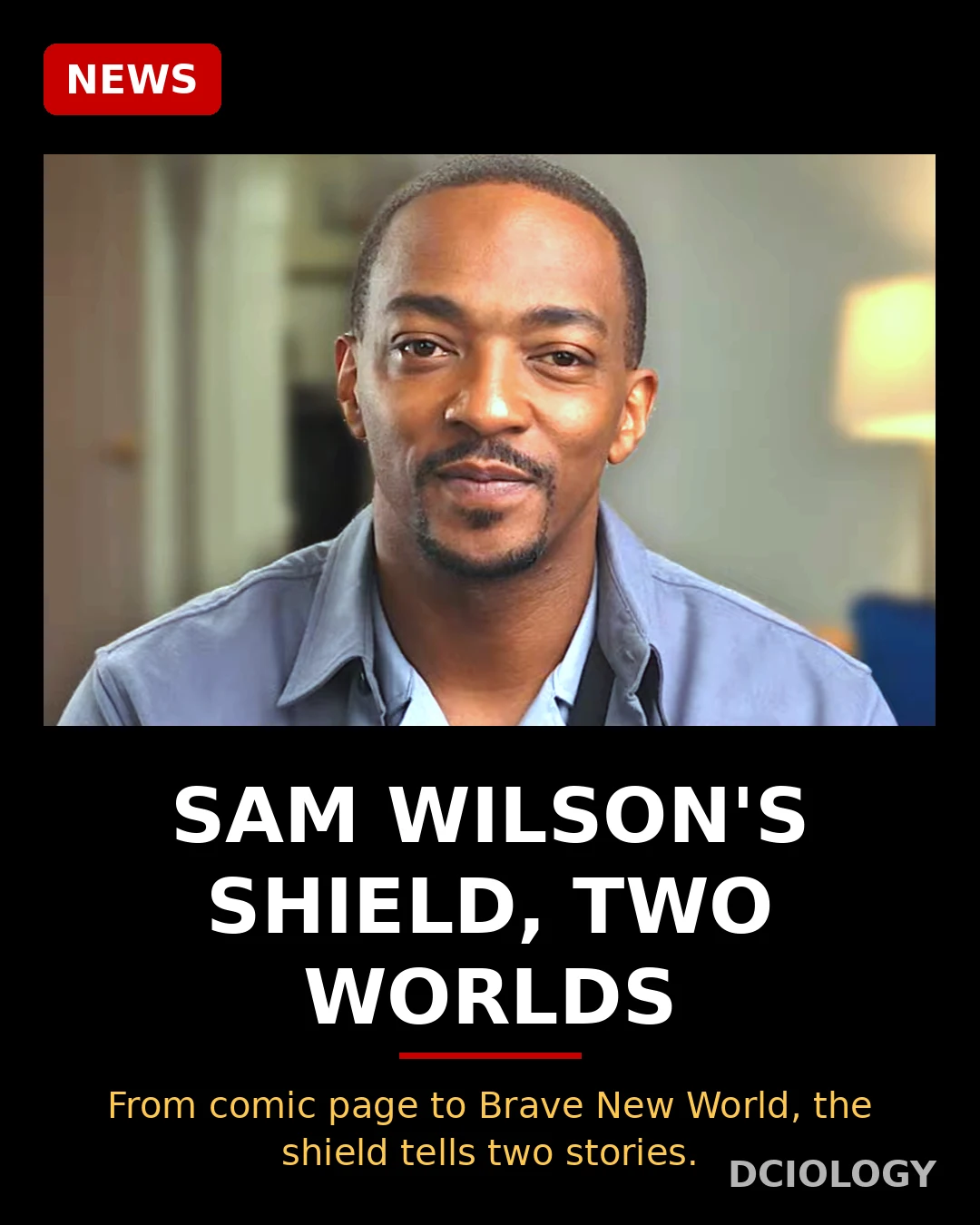
When fans talk about captain america comic vs movie differences, Sam Wilson’s shield is where the conversation always starts. Steve Rogers handed it to a man with no serum and no super strength, and both the comics and the films have spent years asking what that choice really means. The shield itself has not changed much, but almost everything around it has, from Sam’s powers and allies to the villains he faces and the country he serves.
From Falcon to Captain America
Sam Wilson first appeared in Captain America #117 in 1969, created by Stan Lee and Gene Colan, as the first African-American superhero from a major comics company. He began as the Falcon, a hero with a harness and artificial wings, and the book was retitled Captain America and the Falcon for long stretches in the 1970s. That partnership defined him for decades before the shield came into the picture, and it gave Sam a grounded, street-level identity that still shapes how writers use him today.
Captain America Comic vs Movie: The Shield Itself
In 2014, Steve Rogers aged into his 90s and, in Captain America vol 7 #25, appointed Sam as his successor. Sam then led his own series, Captain America: Sam Wilson, in 2015, while Joaquin Torres stepped in as the new Falcon. Steve later regained his youth and Sam returned to the Falcon role, but by 2025 both men were Captain Americas, with a new series titled Sam Wilson, Captain America.
On screen, Captain America: Brave New World (2025) puts Anthony Mackie as Sam Wilson, directed by Julius Onah, and it keeps one fact at the heart of the story: Sam has no Super Soldier Serum. He is a regular man in a vibranium Wakanda suit with wings, and Red Hulk rips those wings apart in the film’s biggest fight. The film asks again and again whether a regular guy can carry the shield, and it lands harder because Sam cannot simply out-punch every problem in front of him.
Powers, Wings and Redwing
The captain america comic vs movie gap is widest when it comes to powers. In the comics, Sam has a telepathic connection to birds, tied to Red Skull and Cosmic Cube tampering, and a real falcon named Redwing. In the MCU, Redwing is a high-tech drone, not a living bird, and that change removes a beloved part of Sam’s identity. Joaquin Torres shows the same pattern: in the comics he becomes part-falcon, with a psychic link to Redwing, while in the films he has no powers at all.
Villains Rebuilt for the Screen
This captain america comic vs movie shift brings the Leader back in Brave New World after 17 years, with Tim Blake Nelson reprising Samuel Sterns from The Incredible Hulk (2008). In the comics, Sterns was a man changed by gamma radiation into a hyper-intelligent villain; the film makes him a manipulator using mind control on Isaiah Bradley. Sabra is reshaped: Ruth Bat-Seraph has super strength and a healing factor, yet loses her powers in the MCU. Giancarlo Esposito’s Sidewinder leads the Serpent Society as mercenaries, not snake-powered villains.
Two Different Americas
Comics Sam is far more anti-establishment than his movie counterpart, and that is where the captain america comic vs movie contrast becomes political as well as personal. On the page, Sam has quit working with the government and has even flown commercial because he is broke, a reminder that heroism does not pay the bills. Movie Sam works within the system instead, pushing for reconciliation and trying to hold institutions together rather than walk away from them.
Why Both Versions Matter
In the end, this captain america comic vs movie story works because Sam earns the shield differently in each world. In the comics, he brings a long history, a bird’s-eye view and a willingness to challenge power. In the films, he brings discipline, heart, and the belief that an ordinary person can stand for something bigger. For another hero’s screen journey, see the Hulk character analysis and the Iron Man character analysis. Read more about the film on Wikipedia.