Hulk Character Analysis: Bruce Banner’s Journey from Monster to Hero
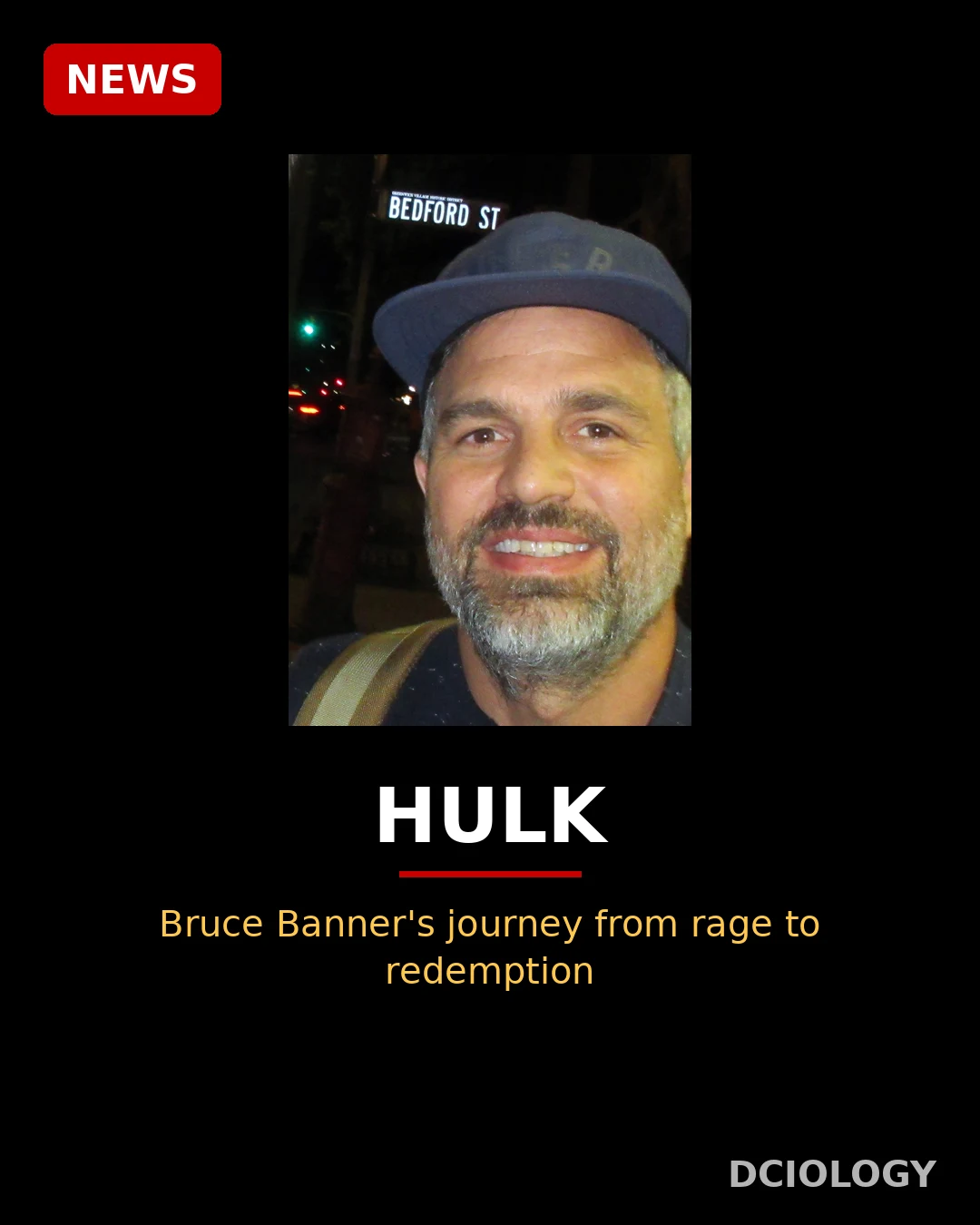
This Hulk character analysis starts with a simple question: is the Hulk a monster, a hero, or both at once? For more than sixty years, Bruce Banner has lived with a green giant inside him, a creature born from a gamma bomb accident.
Created by Stan Lee and Jack Kirby in The Incredible Hulk #1 in May 1962, the Hulk has been a fugitive, a gladiator, a king and an Avenger. Yet the heart of the character has never changed: a brilliant man fighting for control over his own rage.
The Gamma Accident That Changed Everything
Bruce Banner was a nuclear physicist working on a gamma bomb when his life split in two. He ran onto an active test site to save a teenager, Rick Jones, and took the full force of the blast. That night he transformed for the first time into a grey giant, green from the second issue onward. Lee said the Hulk was inspired by Frankenstein’s monster and Dr. Jekyll and Mr. Hyde.
The original series lasted only six issues, but the character refused to die. He moved into Tales to Astonish and became a founding Avenger. General Thunderbolt Ross hunted him, Betty Ross loved him, and Banner spent decades running from the army and himself.
The Monster With Many Minds
The deepest truth of this Hulk character analysis is that there is not one Hulk. Banner’s mind holds many versions of the creature, each one a piece of his broken self. The savage Hulk is the childlike rage that smashes first and thinks later. Joe Fixit is a grey, streetwise gangster who works the night shift in Las Vegas. The Merged Hulk, also called Professor Hulk, blends Banner’s mind with the Hulk’s body, an idea the films echoed as Smart Hulk. Later writers revealed Banner’s dissociative identity disorder grew from abuse by his father, Brian Banner.
That idea reached its fullest form in The Immortal Hulk, written by Al Ewing with art by Joe Bennett from 2018 to 2021, the darkest chapter of this Hulk character analysis. Ewing turned the book into horror, revealing that gamma-powered beings cannot truly die and linking their power to a hellish dimension called the Below-Place. The Devil Hulk, a cruel protector who loves Banner by hating the world that hurt him, became the run’s dark heart. It was the most acclaimed Hulk story in decades.
Planet Hulk and World War Hulk
Before that, writer Greg Pak gave the Hulk his greatest adventure. In Planet Hulk in 2006, the Illuminati, a secret council of heroes, decided Banner was too dangerous and exiled him into space. He crashed on the planet Sakaar, became a gladiator, led a revolt, married Caiera and ruled as a king.
Then it was all taken away. In World War Hulk in 2007, the Hulk returned to Earth seeking revenge on the heroes who banished him, and the story became a brutal reckoning for the whole Marvel Universe. The two arcs together are this Hulk character analysis in miniature: a man denied peace, finding it where he least expected it, and losing it again because the world cannot live with what he is.
Banner, Betty and the Avengers
Betty Ross, the daughter of his greatest enemy, has loved Banner in every era. Rick Jones, the boy he saved on the test site, became his first friend. The Avengers gave him a team, even if he has quit it more times than any other member. In this Hulk character analysis, these bonds keep the Hulk from being only a monster: someone, somewhere, still believes Bruce Banner is worth saving.
Control Versus Rage
The theme of this Hulk character analysis is control versus rage. Banner is a genius who cannot control his own body, and the Hulk is a force of nature who cannot control his own mind. The scientist must learn to live with his anger instead of fearing it, and the monster must learn that strength means nothing without someone to protect.
Sixty years on, that is why the Hulk still endures: a hero who carries his darkness with him and chooses to smash for the right side anyway.