Superman Comic vs Movie: How the Man of Steel Changed from Page to Screen
The Comic Book Origins
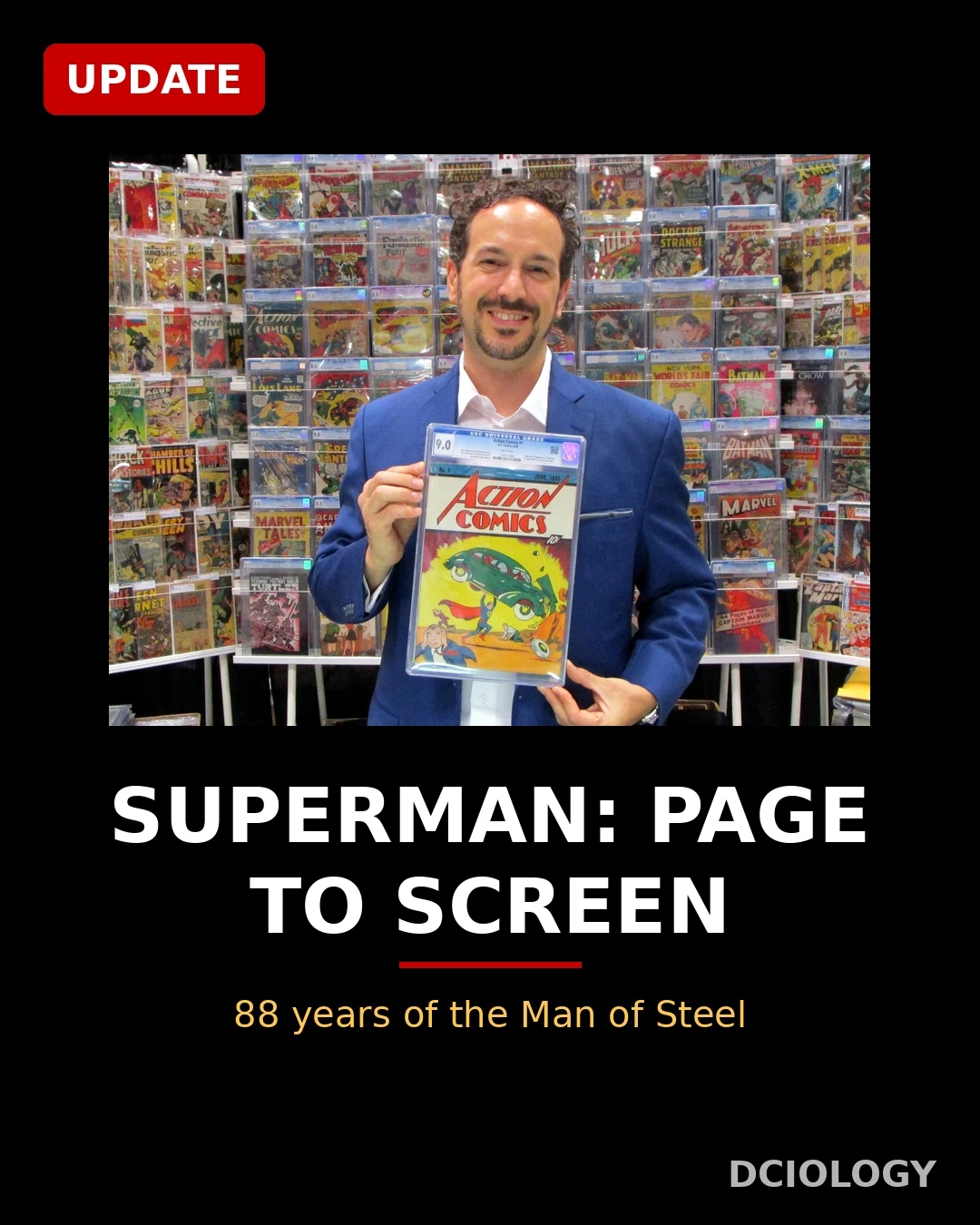
The Superman comic vs movie story begins in 1938, when Jerry Siegel and Joe Shuster introduced the Man of Steel in Action Comics #1. The comic book Superman was a champion of the oppressed, a hero who fought corrupt landlords and criminals with strength, speed and a sense of justice. That first appearance launched the superhero genre itself, and it gave readers a character who could lift a car over his head and still stand for truth, justice and the American way.
Across the decades, the comics kept reinventing him. The Golden Age gave way to the Silver Age, where Superman’s powers grew and his world expanded to include the Fortress of Solitude, the Phantom Zone and a whole family of Kryptonian cousins. Crisis on Infinite Earths in the 1980s reset his story, and The Death of Superman in 1992 shocked readers by killing the hero, only to bring him back. Each era kept the core of the character while changing the world around him.
The First Films and the Reeve Era
The Superman comic vs movie journey reached the big screen in 1978, when Richard Donner’s Superman starred Christopher Reeve. The film kept the origin story from the comics: a baby sent from the dying planet Krypton, raised in Smallville by Jonathan and Martha Kent, and grown into a reporter at the Daily Planet. Reeve’s performance set the standard for the character, combining warmth, humor and quiet strength in a way that still defines Superman for many fans.
The Donner film also changed the costume and the tone. The bright blue suit, red cape and the S shield looked exactly like the comics, but the film gave them a grandeur that paper could never match. John Williams’ score turned the hero’s flight into a moment of pure cinema, and the film’s tagline, “You’ll believe a man can fly,” promised exactly what it delivered. The sequels that followed were uneven, but the first film remains a landmark in superhero cinema.
The Modern Screen Versions
Man of Steel in 2013 took the character in a darker direction, with Henry Cavill playing a Superman who struggled with his place in the world. The film kept the Kryptonian origin but reimagined it with a more serious tone, a muted color palette and action on a scale the 1978 film could never attempt. Some fans loved the grounded approach, while others missed the warmth of Reeve’s version. The Superman comic vs movie debate grew louder, because the two versions now felt like different characters.
James Gunn’s Superman in 2025 brought the character back toward the comics, with David Corenswet in the title role. The film restored the bright colors, the optimism and the supporting cast that had defined the character for decades, including Lois Lane and Lex Luthor. Gunn’s version drew on modern comic runs for its tone, and the Superman comic vs movie gap narrowed again, proving that the source material still has plenty to offer. For many viewers, it felt like the closest the films had come to the comics in years.
What Changed and What Stayed the Same
Across all these versions, the origin has stayed remarkably stable: Krypton falls, a child is sent to Earth, and the Kents raise him to be good. What changes is the emphasis. The comics can spend years exploring Superman’s inner life, while a film has two hours to show the same journey. The Superman comic vs movie comparison always comes back to tone: the comics swing between dark and hopeful, while each film picks one mood and commits to it.
The powers, the costume and the supporting cast have all been adapted with care. Lois Lane has been a reporter, a partner and a moral compass in every version, while Lex Luthor has shifted from mad scientist to corporate villain and back again. The S shield, the cape and the glasses have never really changed, because they are the character. The Superman comic vs movie legacy is a story of constant reinvention around a core that refuses to move, and that is why the Man of Steel has lasted for 88 years.