A24’s 2026 Slate: How Indie Hollywood Keeps Outshining the Blockbuster Machine
The Little Studio That Changed the Conversation
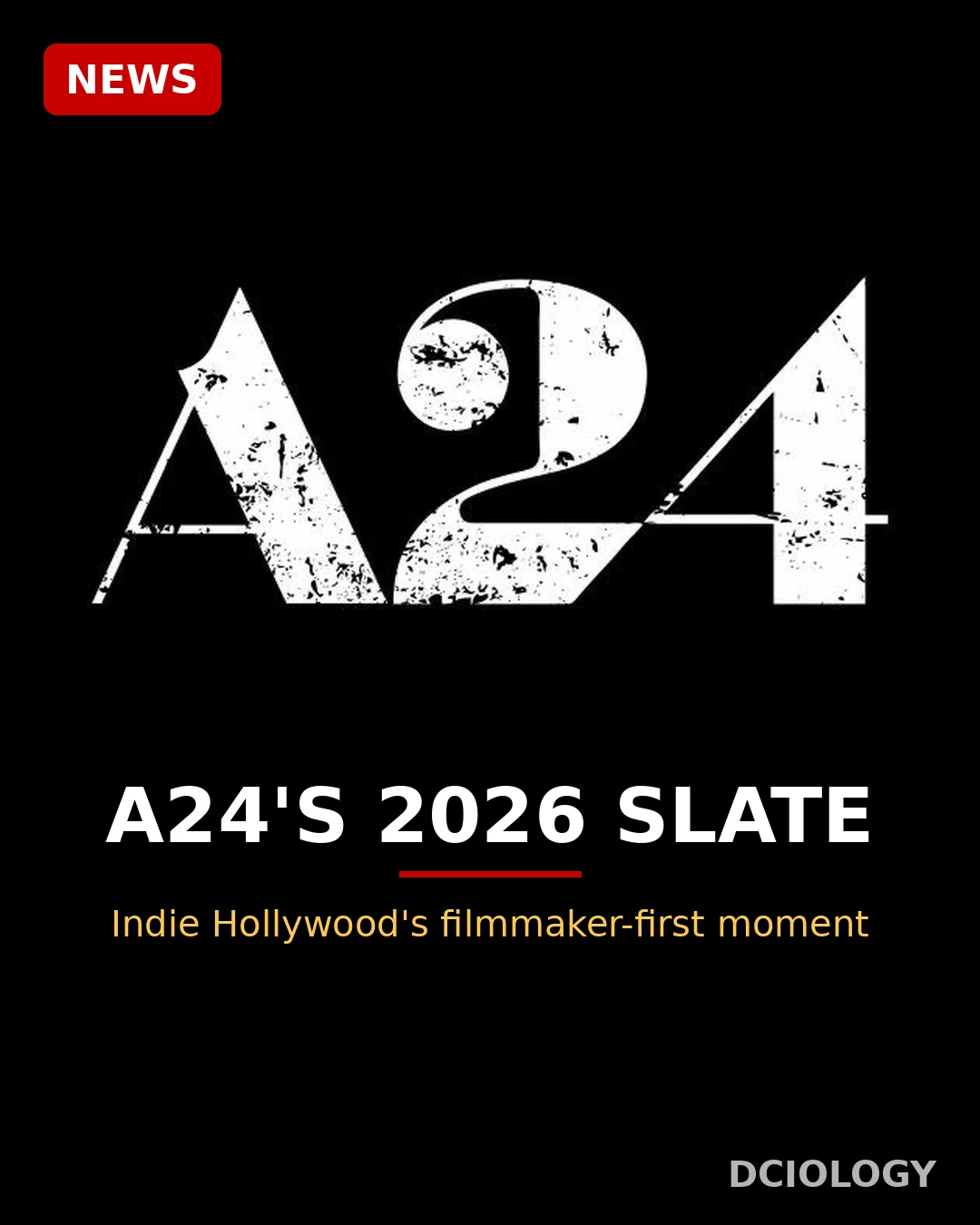
A24 did not become a cultural force by chasing the biggest opening weekend. It did so by backing distinctive voices, trusting strange ideas, and letting films find their audience through word of mouth. As Hollywood’s biggest franchises face fatigue and rising costs, that approach looks smarter than ever. The studio’s 2026 slate is therefore worth watching not just for what it includes, but for what it represents: a reminder that originality can still cut through in a market dominated by sequels, remakes, and shared universes.
That contrast is the story of modern Hollywood. Blockbusters must please every demographic and justify enormous budgets. Indie films can take risks: quiet, unsettling, or defiantly personal. A24 has built its brand on that freedom.
Why Filmmakers Keep Choosing A24
Directors often describe A24 as a place where their vision survives the journey to the screen. That reputation matters in an industry where test screenings and franchise demands can reshape a film beyond recognition. By giving filmmakers room and protecting bold endings, A24 attracts talent that might otherwise be lost to safer, more formulaic projects. The result is a slate that feels curated rather than assembled by committee.
This filmmaker-first model also helps the studio punch above its weight. A well-chosen cast, a striking trailer, and a festival buzz cycle can turn a modest film into a major talking point. Social media does much of the marketing for free when a film is genuinely surprising. In that sense, A24 is not competing with blockbusters on scale. It is competing on conversation, and conversation is often what keeps a film alive long after opening weekend.
What the 2026 Slate Signals
While exact release plans can shift, the direction of the 2026 slate appears consistent with A24’s recent strategy: a mix of established auteurs, breakout debut directors, genre experiments, and prestige dramas. That balance is deliberate. Genre films bring energy and younger audiences, while dramas bring awards attention and critical prestige. Together, they keep the brand from becoming predictable.
What stands out is how little the studio seems interested in playing it safe. Even its more commercial projects tend to carry an edge, whether in tone, structure, or subject matter. That willingness to be divisive is part of the appeal. Not every A24 film is for everyone, and the studio seems comfortable with that. In a landscape where many studios chase consensus, that confidence feels refreshing.
Indie Hollywood’s Wider Moment
A24 is the most visible example, but it is not alone. Independent distributors and smaller studios have found new life through streaming, international markets, and festival exposure. Audiences, especially younger viewers, are increasingly willing to seek out films that feel personal rather than manufactured. They discover them through clips, reviews, podcasts, and recommendations from friends, not just traditional advertising.
That shift puts pressure on the blockbuster machine to adapt. Large studios are now talking more openly about mid-budget films, original stories, and creative risk, partly because the indie sector keeps proving those films can matter. The lesson is not that blockbusters are finished. It is that they cannot be the only model. Hollywood works best when big spectacles and small, daring films exist side by side.
What This Means for Movie Lovers
For audiences, a strong A24 slate is good news regardless of taste. It means more variety at the cinema, more surprising performances, and more films that stay in your mind after the credits roll. It also means the industry has a healthier pipeline of new directors, writers, and actors who can eventually bring fresh ideas to larger projects too.
The wider studio landscape is in flux, from the Skydance Paramount Warner Bros merger explained (Skydance Paramount Warner Bros merger) to debates about how franchises such as Man of Tomorrow should evolve. Against that backdrop, A24’s steady, filmmaker-led approach looks less like a niche alternative and more like a blueprint. If 2026 confirms that pattern, indie Hollywood will not just be outshining the blockbuster machine creatively. It may be showing it how to survive.