
Toy Story 5: What Pixar’s 2026 Return Means for Woody, Buzz and a New Generation
Why Toy Story 5 Matters So Much
There are very few franchises that can return after a seemingly perfect ending and still feel welcome, but Toy Story is one of them. When the fourth film closed Woody’s journey in such an emotional way, many fans assumed the story was complete. Pixar, however, clearly believes there is still something meaningful left to say, and Toy Story 5 is now positioned as one of the studio’s most important upcoming releases.
That tension is exactly why this film matters. The original Toy Story was about play, imagination and loyalty. The world of toys has changed since then, and so has childhood itself. Screens, smart devices and digital play now compete for attention in ways Woody and Buzz never had to face before. A thoughtful sequel could explore that shift without becoming preachy, and it could remind audiences why physical toys, friendship and shared play still matter. If Pixar gets that balance right, Toy Story 5 could feel timely rather than simply nostalgic.
Woody and Buzz, Together Again
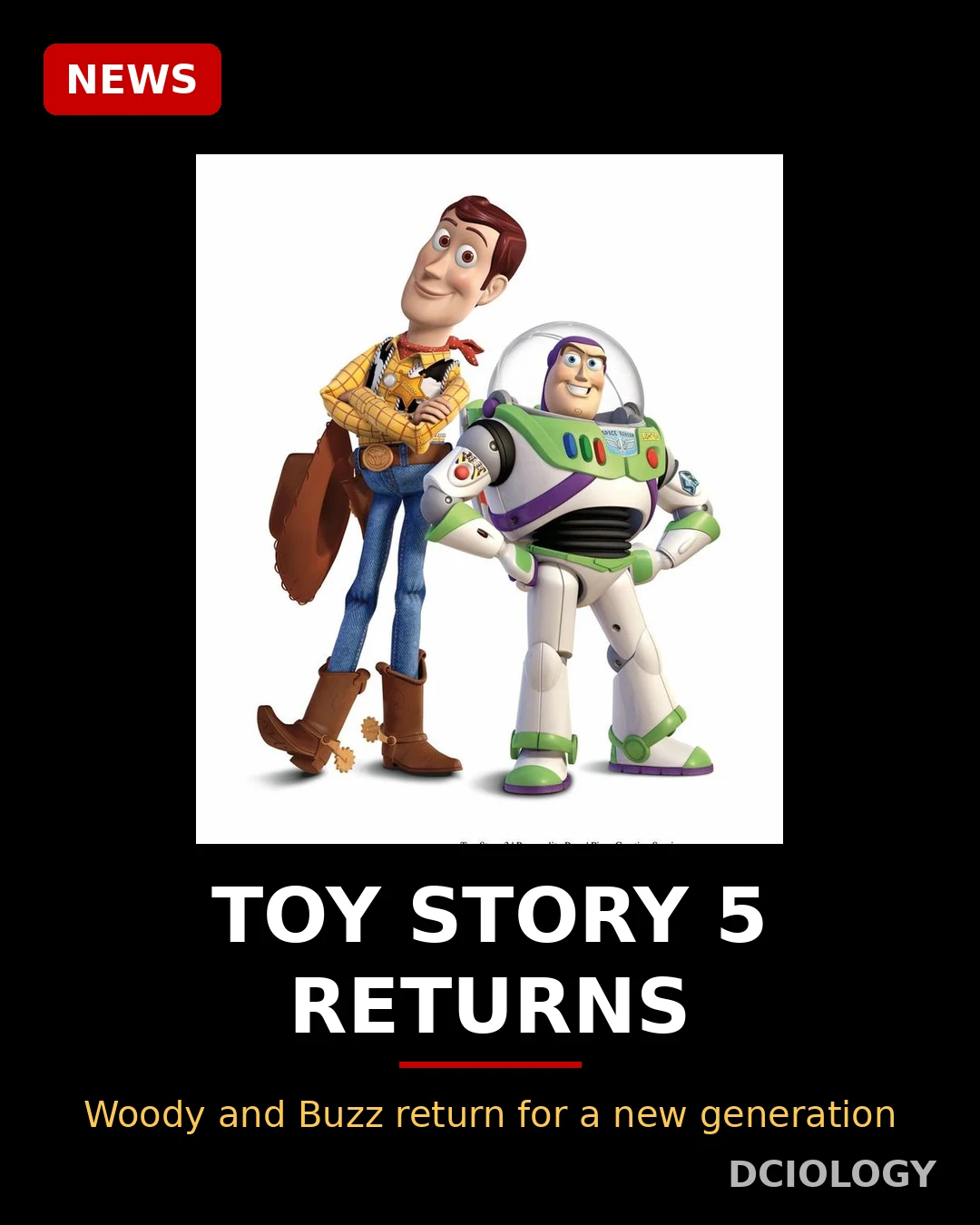
At the heart of the excitement is the reunion of Woody and Buzz Lightyear. Their friendship has always been the emotional backbone of the franchise, from rivals to partners to something close to brothers. The fourth film separated them, giving Woody a new path and leaving Buzz with Bonnie’s room. Bringing them back together raises an immediate question: what brings Woody home, and what has changed for both characters in the meantime?
That question gives the film its emotional engine. Woody has always defined himself through loyalty to a child, while Buzz has grown from a deluded space ranger into a grounded, self-aware leader. A new adventure that forces them to work together again could explore how friendship survives change, distance and different life choices. It does not need a world-ending threat to feel big. For Toy Story, the stakes have always been personal: belonging, purpose and being needed. Fans will be watching closely to see whether the reunion feels earned or simply convenient.
A New Generation of Toys and Kids
Every Toy Story film has introduced memorable new characters, and the fifth entry will reportedly continue that tradition. The more interesting challenge, though, is the child at the centre of the story. Bonnie’s world is not Andy’s world, and the toys around her reflect a different kind of childhood. New toys could represent modern play, technology and shifting interests, creating natural comedy and conflict with the older generation of toys.
This is where Pixar has a chance to say something fresh. Rather than framing new technology as the enemy, the film could show old and new forms of play coexisting. Woody represents tradition, memory and handmade warmth. A newer toy might represent speed, novelty and digital excitement. Neither has to be wrong. The best Toy Story films have always found empathy for every character, even the ones who initially seem like obstacles. If that spirit continues, Toy Story 5 could speak to parents and children at the same time, each seeing their own experience reflected on screen.
The Bigger Picture for Animation
Beyond the franchise itself, Toy Story 5 arrives at an important moment for theatrical animation. Family audiences have many choices at home, and studios are under pressure to make cinema feel special again. A beloved Pixar return has the power to draw families back to theatres, especially if early word suggests the film is heartfelt rather than formulaic. Like other major franchise returns covered on this site, including discussion around Man of Tomorrow and Dune Part Three, anticipation alone is not enough. The film itself must deliver.
For now, the wisest approach is cautious optimism. Pixar knows how much Toy Story means to people, and that awareness can be both a burden and a gift. If the studio trusts its characters, embraces the changing world of childhood, and tells a story about friendship that feels honest, Toy Story 5 could become more than a nostalgic event. It could be a reminder of why these toys endured in the first place: because they taught us that being loved, being loyal and being there for someone never goes out of style.